
Hurricane Prep & Storm Recovery
Hurricane Prep & Storm Damage AC Repair in New Orleans
Hurricane season runs June 1 through November 30, and every New Orleanian knows the drill. Your AC needs a plan too. We help you protect your system before a storm with elevation, tie-downs and surge protection, and we're here afterward to safely inspect and repair what the wind, water and power surges left behind.
- Unit elevation and tie-downs
- Whole-home surge protection
- Post-storm inspections
- Storm damage repair
Warning signs
Hurricane Prep & Storm Repair: the warning signs
01
Your outdoor unit sits at ground level
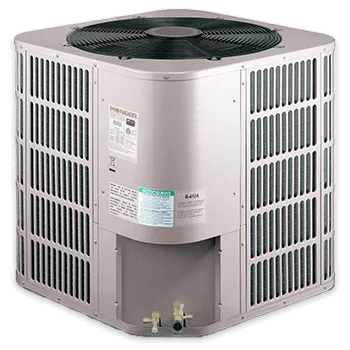
In flood-prone parts of New Orleans, Metairie and the West Bank, a condenser on the ground can be ruined by even modest street flooding.
02
No hurricane straps on the condenser
High winds can shift or tip an unsecured unit, breaking refrigerant lines and electrical connections.
03
The AC stopped working after power came back
Surges and brownouts when power is restored can damage capacitors, contactors, control boards and compressors.
04
Your unit was in floodwater
Floodwater damages electrical parts and controls and leaves behind silt and contaminants. The unit needs an inspection before it runs again.
05
Debris hit the outdoor unit
Bent fins, a damaged fan or a dented cabinet can restrict airflow or hide damaged lines and wiring.
06
Musty smells after a storm
Water intrusion, wet insulation or a flooded air handler can lead to mold growth in ducts and equipment.
What to do next
Before and after the storm
- 1
Before the storm: clear loose items, lawn furniture and debris away from the outdoor unit.
- 2
When the storm is close: turn the AC off at the thermostat and switch off its breaker to protect it from surges.
- 3
After the storm: walk around the outdoor unit from a safe distance and look for flood lines, debris, a shifted pad or damaged lines.
- 4
If the unit was not flooded and looks undamaged, wait until power is stable, turn the breaker back on, then wait about 30 minutes before starting the system.
- 5
Gently clear leaves and small debris from around the unit with the power off.
- 6
Take photos of any damage for your insurance claim before cleanup.
Safety first: Never turn on or run an AC unit, air handler or electrical panel that was in floodwater. It can cause electrical shock, fire and destroy the compressor. Don't hose off a unit that's energized, and stay clear of downed power lines and standing water near electrical equipment.
Call a pro right away if…
- Floodwater reached the outdoor unit, air handler or electrical panel.
- The unit was knocked off its pad or the refrigerant lines are bent or broken.
- The AC won't start, trips the breaker or smells like burning after power returns.
- You see water damage around the air handler or ductwork.
- You want your unit elevated or strapped down before the next storm.
When we arrive
What to expect from our visit
- 1
Pre-season assessment
We check your unit's height relative to local flood risk, how it's secured, and its electrical protection, then recommend what makes sense for your home.
- 2
Elevate, strap and protect
We can raise outdoor units onto platforms or stands, install hurricane tie-downs and add whole-home surge protection.
- 3
Post-storm safety inspection
After a storm, we inspect electrical parts, controls, refrigerant lines and the coil before anything is turned on, and use pressure testing to check for line damage.
- 4
Repair or replace honestly
Some storm damage is a simple repair. Some isn't. We give you a flat-rate price and clear notes and photos you can share with your insurance company.
Preventative care
How to keep it from happening again
Get a spring tune-up
Start the season with a healthy system. A spring tune-up catches weak parts that surges tend to finish off.
Elevate in flood-prone areas
Raising the condenser above likely flood levels is one of the best ways to protect it, especially in low-lying neighborhoods.
Strap it down
Hurricane tie-downs keep the unit on its pad and protect refrigerant lines and electrical connections from wind damage.
Add surge protection
Whole-home surge protection helps guard your AC and electronics from power restoration spikes and summer lightning.
Follow a checklist
Use our hurricane season AC prep checklist so nothing gets missed when a storm is in the Gulf.
Honest pricing
What it costs
Hurricane prep costs depend on what your home needs: the height of an elevated platform or stand, the type of tie-downs, and whether surge protection goes at the panel or the unit. Storm repair depends on what was damaged. A burned-out capacitor is a very different repair from a flooded compressor. We start with a $99 diagnostic, waived when you approve the repair, and every job is quoted flat-rate upfront. After a storm, we'll document damage to help with your insurance claim. If replacement makes more sense, we'll walk you through AC installation options.
- $99 diagnostic, waived with repair
- Flat-rate price approved before work
- No overtime fees — ever
- Military discount available
- Comfort Club members save 15% on parts
From neighbors we've helped
“Our AC went out at 11 AM on the first day of Jazz Fest — kitchen was 95°. Bradley Air had a tech here in 25 minutes, fixed the compressor, and we were back serving po'boys by lunch. Lifesavers!”
“Power surged during a thunderstorm and the AC shut down. Called Bradley Air at 2 AM — they answered, arrived by 2:40, and had us cool again by 3:30. No overtime charge!”
FAQ
Hurricane Prep & Storm Repair questions, answered
Should I turn off my AC during a hurricane?
Can I run my AC after it was flooded?
How high should my outdoor unit be?
Will insurance cover storm damage to my AC?
Related services
AC Repair
Capacitors, compressors, fan motors, refrigerant leaks and frozen coils, diagnosed accurately and fixed fast with upfront, flat-rate pricing.
- $99 diagnostic, waived with repair
- Most repairs same visit
- Flat-rate, upfront pricing
24/7 Emergency AC Repair
Day or night, weekends and holidays, with a real ETA on the phone and the same flat-rate pricing. No overtime fees, ever.
- Answered 24/7
- No overtime fees, ever
- Often there within the hour
AC Installation & Replacement
Central AC, heat pumps and package units, sized with a Manual J load calculation and installed with a written warranty.
- Manual J load calculations
- High-efficiency SEER2 systems
- Flat-rate installed pricing
Read before you call
Storm Prep9 min read
Hurricane Season AC Prep Checklist: How to Protect Your System Before, During, and After the Storm
What to do with your AC before a hurricane, while it's passing, and after the power comes back — plus a printable checklist for New Orleans homeowners.
Read the guide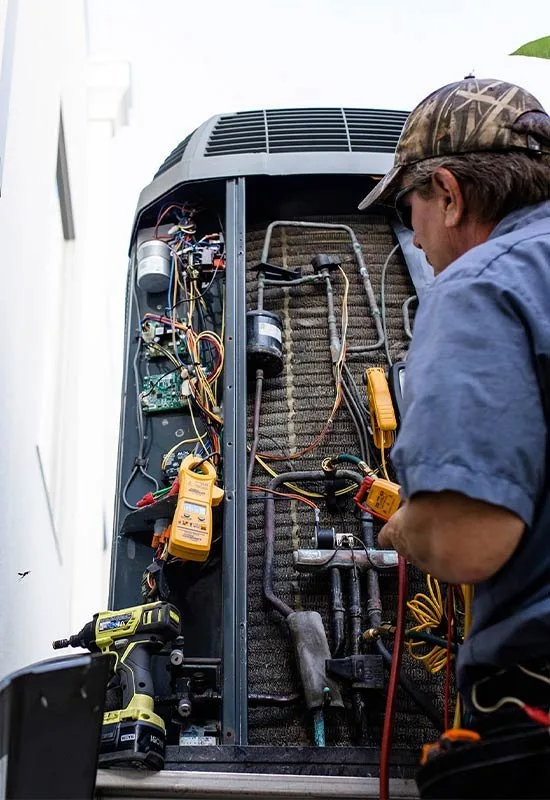 Cooling
8 min read
New Orleans Heat Wave AC Survival Guide: What's Normal, What's Not, and When to Call
When it's 97° with a 110° heat index, how do you tell a struggling AC from a broken one? Here's what's normal, what to check, and what to do.
Read the guideReady when you are — day or night.
Call or text a real person 24/7. $99 diagnostic waived with repair, flat-rate pricing, and no overtime fees — ever.